 WhatsApp
By Muhammed Mehdi Öruç, master funeral director · November 23, 2025 · 3 min read
Islamic burial rituals explained
A comprehensive guide to the key steps of an Islamic burial
An Islamic burial is not only a farewell to a loved one, but also a significant religious act. It follows clear rules focused on purity, respect, and belief in eternal life. This guide explains the process of an Islamic burial step by step—from preparation and ritual washing to the burial.
1. What happens after death?
As soon as a Muslim passes away, the body is treated with respect. The eyes and mouth are closed, the body is straightened, and covered with a cloth. The Islamic declaration of faith (Shahāda) is often recited. This marks the beginning of the Muslim funeral and symbolizes the transition to the Hereafter.
2. The ritual washing (Ghusl al-Mayyit)
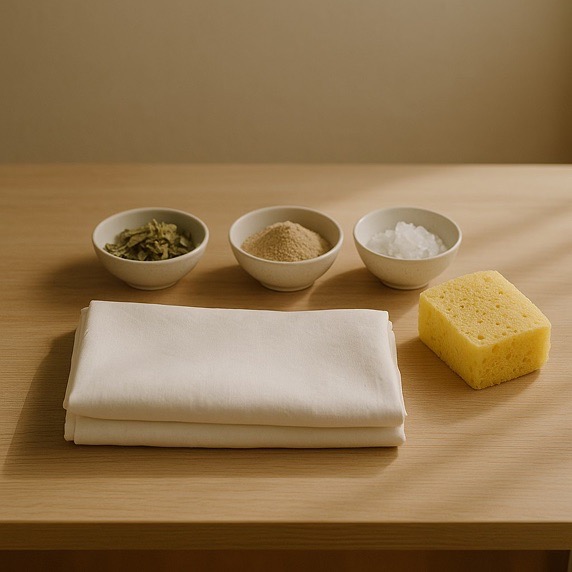
A central part of every Islamic burial is the ritual washing. It is performed by practicing Muslims of the same gender. The deceased’s body is cleansed three times with water—first with water only, then with soap, and finally with scented water. This cleansing is an expression of purity and spiritual preparation for meeting Allah.
3. Wrapping in the kafan (shroud)
After the washing, the deceased is wrapped in simple white cotton cloths—the so-called kafan. Men are traditionally wrapped in three cloths, women in five. This simplicity shows that before Allah, all people are equal, regardless of wealth or status. Wrapping in the kafan is therefore a sign of humility and equality in death.
4. The funeral prayer (Salāt al-Janāza)
The funeral prayer is an integral part of every Muslim funeral. It is performed in congregation—usually in the mosque or at the cemetery. Those present ask Allah for mercy and forgiveness for the deceased. The prayer is recited standing, quietly and without prostrations. It is regarded as a collective expression of compassion and solidarity within the Muslim community.
5. The burial
In an Islamic burial, the interment takes place as soon as possible, often on the same day. The body is placed in the grave—where legally permitted—without a coffin, lying on the right side with the face toward Mecca. The grave is then covered with earth while supplications (Duʿāʾ) are recited. This simple and dignified form of burial emphasizes the return to the earth from which humankind was created.
6. After the burial
After the Islamic funeral, it is customary to pray for the deceased, recite the Qur’an, and offer condolences to the bereaved. Friends and family visit one another to provide comfort and remember the deceased together. This period of mourning shows the strength of the community and mutual support in faith.
Conclusion
An Islamic burial is an expression of deep faith, dignity, and compassion. It reminds us that death is not the end, but the beginning of a new journey in the Hereafter. Islamic burial rituals teach respect, purity, and humility—values that endure beyond life itself.
Do you need help after a death? We take care of Islamic burials and repatriation to the home country. You will find more answers in our FAQ, or call us: +49 451 39733733, 24 hours a day.